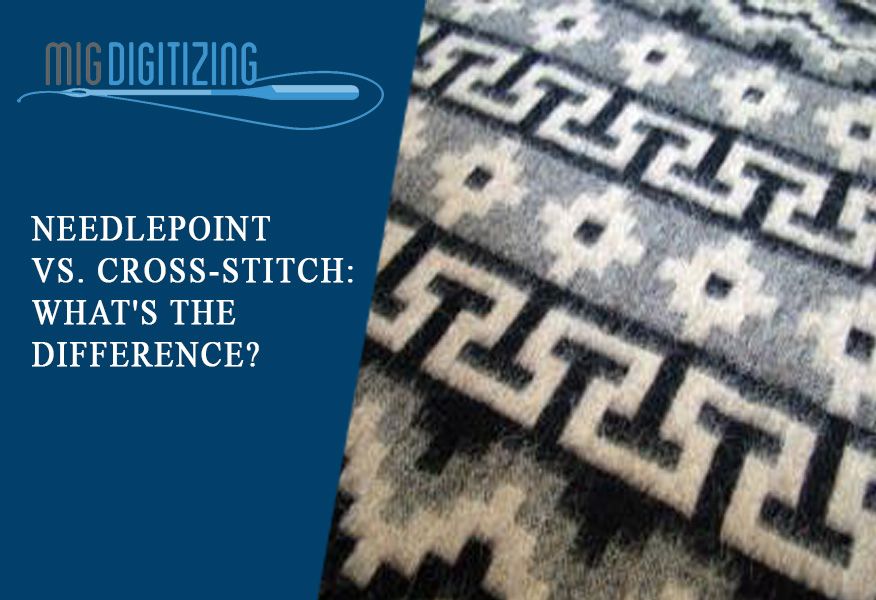
Needlepoint and cross stitch are both kinds of needlework, but they differ in the cloth they utilize, the stitches they use to construct their designs, and the look of the finished piece. Both techniques use a needle and thread, but they are not interchangeable.
The main difference is that needlepoint is normally executed on an open-weave canvas with various stitches, whereas cross stitch usually uses an even-weave fabric and X-shaped stitches to form a design. Needlepoint often produces a textured, canvas-based look, while cross stitch forms identifiable patterns through individual X-shaped stitches.
If you are trying to decide which method to learn, the right one will rely on your experience, preferred materials, and the product you want to construct.
| Feature | Needlepoint | Cross Stitch |
|---|---|---|
| Primary Stitch | Tent stitch and other canvaswork stitches | X-shaped cross stitch |
| Standard Fabric | Open-weave needlepoint canvas | Aida, linen, or even-weave fabric |
| Stitching Technique | Stitches are worked across the canvas using different canvaswork techniques | Stitches form X shapes across the fabric |
| Design Process | Painted canvas, printed guides, or charts | Counted charts or printed patterns |
| Thread Types | Wool, cotton, silk, and other suitable fibers | Embroidery floss, pearl cotton, and other suitable threads |
| Finished Appearance | Often textured, structured, and densely stitched | Individual X stitches create a grid-like appearance |
| Tools | Needle and, depending on the project, a canvas frame or hoop | Needle and, depending on the project, a hoop or frame |
| Beginner Experience | Simple stitches can be beginner-friendly | Often beginner-friendly with a simple pattern |
| Popular Projects | Decorative pillows, ornaments, belts, and accessories | Samplers, wall art, bookmarks, and personalized gifts |
These are general differences rather than strict rules. Both crafts offer a variety of materials, stitching techniques, and project possibilities.
Needlepoint is a type of embroidery in which stitches are created on an open-weave canvas. The canvas serves as a structured support, hence the design maintains its form as the work proceeds.
Traditional needlepoint is stitched with tent stitches such as continental and basketweave. Decorative needlepoint, however, may use other stitches, too, to produce varied textures and visual effects.
Usually, a needlepoint project starts with a canvas and a design. The design may be painted or printed directly onto the canvas, depending on the kit or pattern, or it may come as a chart that shows you where to put each stitch.
The general procedure is as follows:
Choose the right canvas, thread, needle, and design.
If necessary, place the canvas in a frame or hoop.
Place the stitches following the design or chart that is painted on.
Keep the canvas taut, always under stress.
Finish the stitched piece for what it’s supposed to be.
Because the canvas has visible holes, you can tell where the needle should go through. This may help you master the basic needlepoint stitches, but more elaborate designs and ornamental methods need experience.
The principal materials are:
Needlepoint canvas: An open weave, a base for canvaswork.
Tapestry or needlepoint needle: A needle that is chosen for the canvas and the thread.
Thread or yarn: You can use wool, cotton, silk, or blended fibers, depending on the project.
Frame or stretcher bars: These keep an even working surface.
Pattern or painted canvas: This will show you where the stitches go and what color they should be.
The pattern, stitch type, and desired finish will determine the canvas and thread. For instance, a project for a beautiful pillow could require different materials than a little ornament.
Needlepoint may create a rich, textured surface, especially when the design covers much of the canvas. The stitches, the thread, the canvas mesh, and the covering all determine the final look.
Some crafts use basic, even stitches for a tidy look. Others use numerous stitch types to produce ornamental patterns and 3D textures.
Needlepoint is typically employed for decorative accessories, cushions, ornaments, belts, and other objects where a structured stitched surface is needed.
Cross stitch is a needlework method in which X-shaped stitches make a design on fabric. Each X symbolizes a small unit of the design, and groupings of stitches make pictures, writing, borders, and decorative elements.
Cross stitch is often worked on Aida cotton, linen, or other even-weave fabrics. These materials make it easier to count the gaps where the stitches belong.
Most counted cross-stitch projects need a pattern chart. Each symbol on the chart symbolizes a stitch color or another instruction, helping you to duplicate the design on your cloth.
The process usually involves:
Choose a pattern and suitable cloth.
Select embroidery floss or another suggested thread.
Find the beginning position using the chart and fabric grid.
Follow the chart, placing X-shaped stitches in the precise areas.
Change thread colors as appropriate and fasten the finished threads neatly.
Beginners frequently start with tiny patterns that employ a restricted number of colors. Once the basic stitch and chart-reading procedure become familiar, larger and more elaborate designs are easier to handle.
Typical supplies include:
Aida fabric or even-weave fabric: Provides a countable grid to help place stitches.
Embroidery floss: It is usually made of cotton and comes in a large variety of colors.
Tapestry needle: Usually has a blunt tip that goes through the holes in the fabric.
Pattern chart: This tells you where to put each stitch and color.
Hoop or frame: Helps to keep the fabric in a working state that is comfortable to work with but is not necessary for all projects.
The thread count varies in different materials and will determine the size and detail of the finished design. The pattern instructions will guide you on a suitable fabric to use and what the finished size should be.
Cross stitch makes designs from minuscule X-shaped markings. When viewed from a distance, these tiny stitches merge to form images, text, borders, and color patterns.
The appearance can range from simple geometric motifs to intricate graphics with many shades. The apparent stitch pattern is often part of the craft's charm.
Cross stitch is often used for samplers, framed portraits, bookmarks, decorations, greeting cards, and personalized gifts.
Both techniques employ thread to make a pattern, but their materials and working methods alter how each project is designed and accomplished.
One of the most visible distinctions is the foundation material.
Needlepoint commonly employs open-weave canvas prepared for canvaswork. Its construction gives a clear grid for inserting stitches and supports the finished product.
Cross stitch often uses Aida fabric, linen, or even-weave fabric. The spaces or threads in the cloth let stitchers count and position each X precisely.
Although these materials serve comparable goals, they are created for different stitching procedures. You should follow the fabric suggestions for your selected pattern rather than presuming that every needlework fabric is good for both techniques.
Needlepoint can use numerous sorts of stitches. The tent stitch is the most widely used, although other canvaswork stitches may be used to provide different textures and degrees of covering.
Cross stitch is a stitch that forms an X shape. Each X is usually two diagonal stitches crossing each other. Even the orientation and tension of the stitches make a smooth finish.
This distinction influences how you follow a design. Needlepoint instructions may define stitch kinds or illustrate placement on a canvas, but counted cross stitch usually needs you to follow symbols and stitch counts on a chart.
Both techniques can utilize cotton, wool, silk, or other acceptable fibers, but the thread choice depends on the project.
Needlepoint commonly employs threads selected for the canvas mesh and the required coverage. Thicker fibers may generate a fuller surface, while other fibers can produce finer features or a distinct texture.
Cross stitch typically employs stranded cotton embroidery floss. The amount of strands used might vary based on the fabric count, pattern instructions, and desired appearance.
Neither craft has one common thread type. Always verify the pattern or kit instructions before purchasing supplies.
Needlepoint designs may be painted directly on the canvas, printed on the material, or given as a guide. Although the painted canvas displays the desired colors on the working area, the stitcher may have to decide the suitable stitch method.
Cross-stitch patterns are normally offered as charts, with symbols and color codes. Counted cross stitch is when you take those symbols and turn them into stitches on the fabric.
Both strategies need attention to detail, but they suit different working preferences. The painted canvas is for you if you appreciate seeing the design on the cloth, while the chart is for you if you like counting stitches and building up an image gradually.
Needlepoint frequently produces a structured, textured surface, particularly when many stitches cover the canvas. Decorative stitches can provide depth and diversity to the surface.
Cross stitch often creates a more clearly gridded effect, with individual X-shaped stitches forming the overall image. The resulting effect can look smooth and detailed from a distance while keeping obvious stitch texture up close.
These differences are not absolute. Fabric count, thread thickness, stitch density, finishing procedures, and the chosen design all influence the final appearance.
Needlepoint and cross stitch are both good for beginners. The easiest choice depends on your project and how you want to receive your instructions.
Cross stitch is a good place to start if you enjoy following a pattern, counting stitches, and creating a design one X at a time. A tiny design with a limited color palette will help you practice without having to juggle too many directions at the same time.
Needlepoint is a good place to start if you like working on a structured canvas and wish to begin with a simple painted design or a project utilizing one basic stitch. Some projects are more complex if they have several different types of stitches or intricate canvaswork.
Start with a simple design for either craft. Use the specified materials and practice maintaining steady tension. Don’t get into a big, complicated job just because you like the way it looks when it’s done.
There is no universal rule that needlepoint always costs more than cross stitch. The overall cost depends on the materials, design, size, thread quality, and whether the product comes as a kit.
Needlepoint expenses might increase when a project needs a hand-painted canvas, specialist threads, or sophisticated finishing services. A plain canvas and basic thread may be more economical than a luxury kit.
Cross stitch may be economical when you choose a modest pattern and minimal equipment. Larger designs may require more floss colors, higher-quality fabric, or a larger frame.
When evaluating project costs, examine the whole supply list, not just the cost of the pattern. Find out what is included in the kit, whether you need extra thread, and whether finishing supplies or services are sold separately.
The optimal technique relies on the style and function you want from the finished item.
Needlepoint is commonly used for:
Decorative pillows and pillow covers
Seasonal decorations and ornaments
Belts and selected accessories
Small ornamental panels
Canvas-based home décor
Detailed pieces that use several stitch techniques
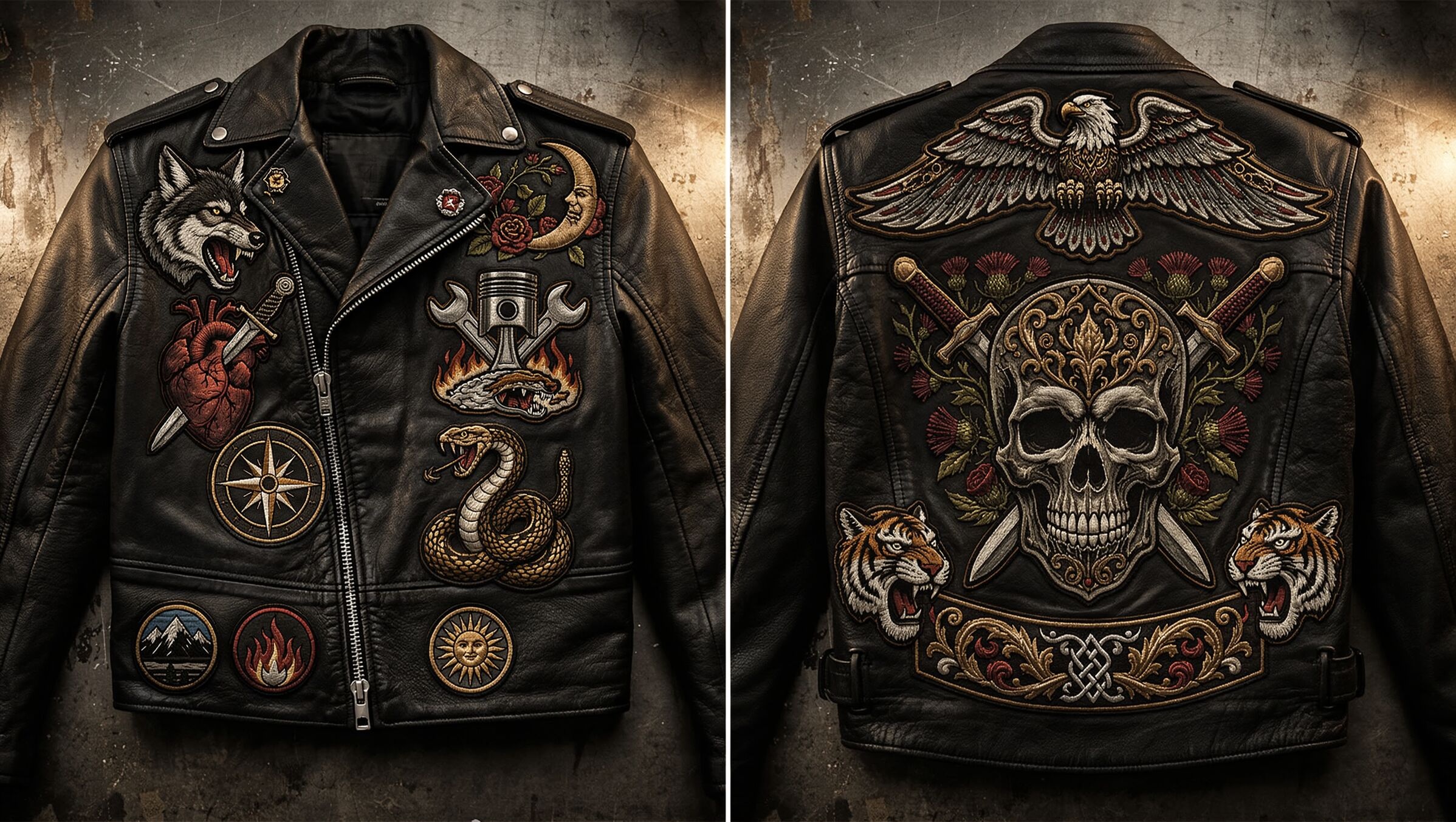
For apparel projects, embroidered patches are another option for personalizing hats, jackets, bags, and other garments. Unlike traditional needlepoint projects, these patches are a separate application of embroidery.
The canvas structure can make needlepoint suitable for certain decorative items, but the finished result may require backing, shaping, or expert finishing.
Cross stitch is widely used for:
Framed pictures and wall art
Samplers and ornamental quotations
Bookmarks and tiny souvenirs
Personalized presents
Ornaments and greeting cards
Detailed designs involving people, animals, or landscapes
Cross stitch can be adapted to many project formats. The fabric and finishing procedure should match the planned use so that the stitches are protected and the item keeps its shape.
Sometimes, but it depends on the canvas, the design, and the result you seek.
Cross stitch is usually created for textiles where the stitcher can count the threads or fabric openings consistently. Needlepoint canvas also has an open grid, so a cross-shaped stitch can be made on various canvas varieties.
But the scale of the design, thickness of the threads, stiffness of the canvas, and mesh size may be different from those of a normal cross-stitch pattern. These changes can affect stitch location, thread coverage, and the final size.
Before altering a pattern, work a tiny piece of the pattern with the thread and canvas you intend to use. Check that the X-shaped stitches fit the grid and provide the appearance you want. If you're using a commercial pattern or kit, utilizing the recommended fabric is often the simplest method to accomplish the intended result.
Needlepoint and cross stitch are both types of needlework that fall under the broader category of embroidery. However, embroidery includes many techniques beyond these two crafts.
Traditional hand embroidery may use techniques such as satin stitch, backstitch, chain stitch, and French knots to create lines, shapes, textures, and decorative details. Needlepoint is associated with canvaswork, while cross stitch is distinguished by its X-shaped stitches.
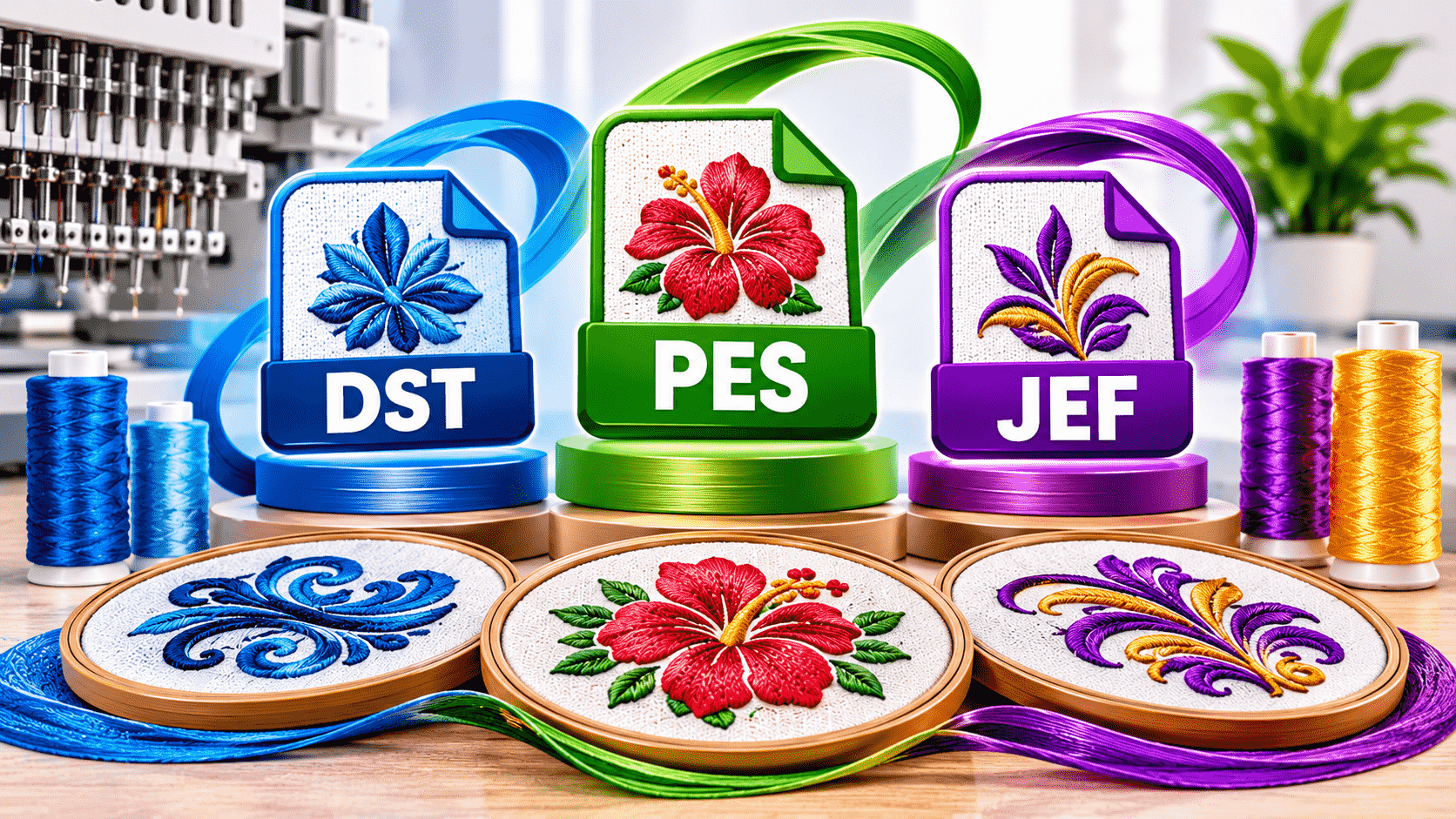
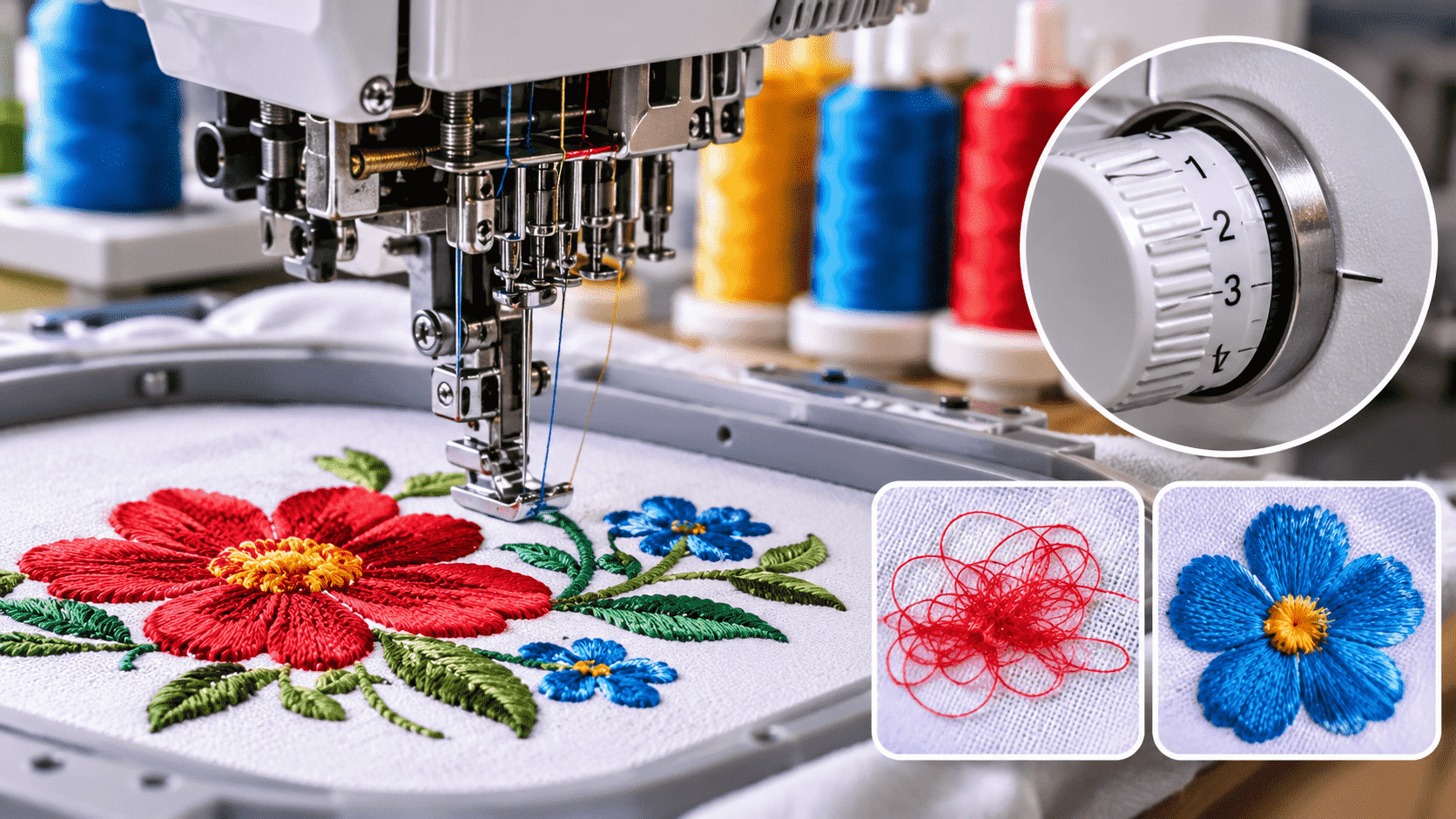
Machine embroidery is another type of embroidery that uses a machine to stitch designs onto fabric. Embroidery digitizing software helps convert artwork into stitch instructions that a compatible embroidery machine can read. This process differs from following a hand-embroidery pattern or stitching on a needlepoint canvas.
Artwork preparation may also involve converting images into scalable vector graphics. A vector conversion service can help with this process, while embroidery digitizing prepares artwork for machine stitching. The right option depends on how the design will be used.
Choosing among these techniques depends on the intended result, available equipment, materials, and level of detail required.
No. Needlepoint is primarily worked on open-weave canvas and can use numerous stitch styles. Cross stitch uses X-shaped stitches and is often worked on Aida, linen, or even-weave cloth.
Not necessarily. A simple needlepoint design may be easy to master, while a complex canvaswork project can require practice. Likewise, a little cross-stitch pattern may be beginner-friendly, while a huge chart with numerous colors can be demanding.
It can, depending on the canvas and design. Needlepoint may employ cotton floss, wool, silk, and other suitable fibers. The thread should be appropriate for the canvas mesh and the coverage you seek.
Aida is a favorite choice for novices because its visible grid makes stitch counting easier. Linen and other even-weave fabrics are also employed, especially for designs that require a different fabric texture or stitch scale.
Some patterns can be modified between approaches, but they may not look similar. The fabric, stitch structure, thread, and pattern method affect the final effect. A design should be changed to suit the selected technique rather than transferred without considering these variations.
Both can work nicely. Needlepoint is generally used for structured canvas-based ornamental pieces, whereas cross stitch is preferred for framed art, ornaments, samplers, and personalized keepsakes. Consider the recipient, intended purpose, and finished appearance before selecting a technique.
Needlepoint and cross stitch share the basic notion of creating designs with a needle and thread, but their materials and stitching processes distinguish them uniquely. Needlepoint often uses open-weave canvas and a range of canvaswork stitches, while cross stitch constructs designs from X-shaped stitches on countable cloth.
If you prefer working with a structured canvas and exploring different stitch textures, needlepoint may fit you. If you like to follow a pattern and develop an image from individual X stitches, cross stitch may be more your thing.
Choose a project that is doable, use resources that are in line with the directions, and give yourself time to practice. Knowing the difference between needlepoint and cross stitch makes it easy to choose a technique that works for your interests and the final object you want to build.
Nov 20 , 2026 at 09:31:48
Nov 19 , 2026 at 04:05:44
Nov 16 , 2026 at 06:47:49