Custom patches are a simple way to personalize clothing, promote a brand, or give everyday accessories a unique look. Whether you want to add a company logo to a jacket, decorate a backpack, or create personalized apparel for an event, an iron-on patch offers a convenient solution.
A custom iron on patch combines personalized artwork with an adhesive heat-activated backing. Instead of sewing the patch onto a garment, you can attach it using heat when the fabric and patch materials are suitable.
From embroidered logos and team designs to creative lettering and decorative artwork, custom iron-on patches are available in many styles, shapes, and sizes. However, choosing the right patch involves more than selecting a design. You also need to consider the fabric, patch construction, backing type, placement, and application method.
In this guide, we'll explain how custom iron-on patches work, where you can use them, how to choose the right design, and what to consider before applying one to clothing or accessories.
A custom iron-on patch is a personalized fabric patch designed with a heat-activated adhesive backing. When the correct combination of heat and pressure is applied, the adhesive bonds the patch to a suitable fabric surface.
These patches can feature embroidered designs, lettering, logos, symbols, or other custom artwork. Their appearance depends on the selected materials and production method.
Unlike traditional sew-on patches, iron-on patches do not always require a needle and thread for installation. This makes them a practical option for people who want to personalize garments without completing a sewing project.
Custom iron-on patches are commonly used for:
Clothing brands and promotional apparel
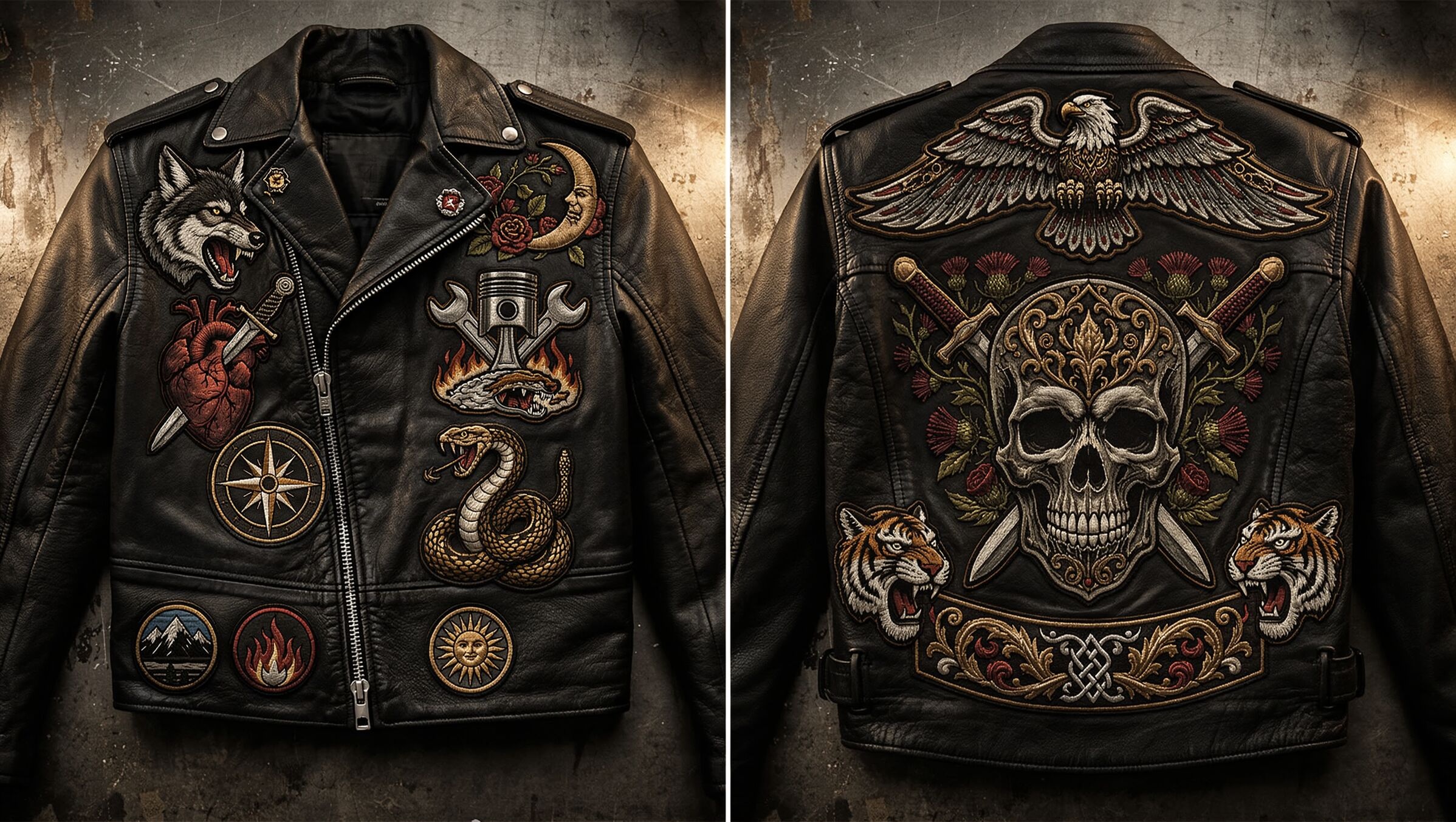
Jackets, hoodies, and denim garments
Backpacks, tote bags, and fabric accessories
Sports teams and school uniforms
Clubs, organizations, and events
Personalized gifts and fashion projects
The most important consideration is compatibility. Not every fabric can tolerate the heat required for application, and not every patch adhesive works equally well on every material.
Custom iron-on patches offer a combination of personalization, convenience, and branding opportunities. They can turn ordinary clothing or accessories into distinctive items without requiring a completely new garment design.
Here are some reasons people and businesses choose them.
One of the biggest advantages of custom patches is the ability to create a design that reflects your personal style or brand identity.
You can use initials, names, artwork, logos, team symbols, or creative illustrations. This flexibility makes patches suitable for both personal projects and commercial apparel.
For example, a clothing brand can add its logo to jackets, while an individual can personalize a backpack with a favorite design.
Iron-on patches are designed to simplify the attachment process. When the patch and garment are compatible, heat activates the adhesive backing and helps secure the patch in place.
This can be more convenient than sewing, particularly for simple customization projects.
However, proper application is essential. Incorrect temperature, insufficient pressure, or unsuitable fabric can prevent the adhesive from bonding correctly.
Businesses can use custom patches to add logos and brand elements to apparel and accessories without designing an entirely new product.
For example, a promotional company might use branded patches on caps, jackets, or tote bags. Clothing brands can also use them to create recognizable details across different product collections.
The final cost depends on factors such as patch size, design complexity, materials, quantity, and production method.
Custom patches are not limited to simple shapes or lettering. You can create designs using different colors, borders, stitch styles, and artwork elements.
Some popular choices include:
Company logos
Name and letter patches
Sports and team emblems
Decorative symbols
Vintage-inspired artwork
Minimalist designs
Custom illustrations
A well-planned design helps the patch look balanced and makes important details easier to recognize.
Custom iron-on patches can be used on many types of clothing, provided the fabric is suitable for the application process.
Denim is a popular choice for patch customization. A patch can add personality to a denim jacket, create a statement on jeans, or give an older garment a refreshed appearance.
Larger embroidered designs often work well on jacket backs, while smaller patches can be placed on sleeves, pockets, or front panels.
Hoodies and sweatshirts offer several opportunities for personalization. Small logo patches can be placed on the chest or sleeves, while larger designs can be used on the back.
Before applying a patch, check the garment's fabric composition and care instructions. Some synthetic blends may be sensitive to high temperatures.
Patches can also add a distinctive touch to casual clothing. However, lightweight T-shirts require extra care because excessive heat can damage or distort the fabric.
Choose an appropriate patch size and check the manufacturer's application instructions before proceeding.
Businesses, teams, and organizations often use patches to identify employees, members, or departments.
A custom logo patch can help create a consistent appearance across jackets, uniforms, and other suitable garments.
For frequently washed or heavily used workwear, consider whether an iron-on backing alone provides the durability required. Sewing around the patch may offer additional security.
Patches are not just for clothing. They can also be used to personalize various fabric accessories.
A backpack is a practical surface for displaying custom designs. You can add a brand logo, name, symbol, or decorative patch to make it easier to recognize.
Before applying a patch, check whether the backpack material can withstand the required heat. Some synthetic fabrics can melt or become damaged.
Custom patches can give plain tote bags a more distinctive appearance. Businesses can use branded patches on promotional bags, while individuals can add decorative designs to everyday accessories.
Canvas tote bags may be suitable for certain heat-applied patches, but always test the material and follow the backing manufacturer's instructions.
Caps offer a compact area for logos, initials, and other small designs. However, curved surfaces can make heat application difficult.
A patch designed for a flat garment may not be suitable for every cap. Consider the cap's construction and the recommended attachment method before choosing an iron-on backing.
Small fabric accessories, including pouches and organizers, can also be personalized with custom patches.
These items are useful for testing smaller designs and creating coordinated accessories for a brand or event.
Not all custom patches are made in the same way. Two common options are embroidered patches and printed patches.
Understanding their differences can help you select a style that matches your artwork and intended use.
Embroidered patches use thread stitched onto a fabric base to create the design. The stitching gives the patch a textured appearance and adds dimension.
They are a popular choice for:
Company and clothing brand logos
Team and club emblems
Lettering and simple illustrations
Decorative jacket patches
Traditional and classic designs
Embroidery works particularly well when the artwork contains clear shapes, defined outlines, and suitable color areas.
However, extremely small details and complicated gradients may need to be simplified before production.
Printed patches use a printing process to reproduce artwork on a suitable patch material.
They can be useful for designs that include:
Photographic details
Color gradients
Complex illustrations
Small visual elements
Artwork with many color variations
Printed patches generally have a different appearance and texture from embroidered patches. The right choice depends on the design, desired finish, material, and intended application.
| Feature | Embroidered Patches | Printed Patches |
|---|---|---|
| Appearance | Textured stitching | Printed artwork |
| Design style | Logos, lettering, and defined shapes | Detailed artwork and gradients |
| Texture | Raised thread surface | Usually flatter |
| Best suited for | Traditional embroidered looks | Complex visual designs |
| Main consideration | Stitch detail and density | Print quality and material |
Neither option is automatically better for every project. Choose based on the artwork and the appearance you want to achieve.
A good patch design should look attractive while remaining practical for its intended size and placement.
Before ordering, consider the following factors.
The size of your patch should match the available space on the garment or accessory.
A large design may work well on the back of a jacket, but it can look crowded on a shirt pocket or cap.
Measure the intended placement area before finalizing the dimensions.
Start with clean, high-quality artwork. Blurry images, low-resolution logos, and unclear outlines can create problems during production.
If your design is intended for embroidery, it may need to be converted into a stitch file through embroidery digitizing.
Select colors that contrast well with the garment. For example, a light-colored logo may stand out on a dark jacket, while a darker design may be more visible on a lighter fabric.
Avoid adding too many colors if they do not improve the overall design.
Text and fine artwork require careful planning. Very small lettering can become difficult to reproduce clearly, especially in embroidery.
Use readable fonts, appropriate letter sizes, and simplified details where necessary.
The backing determines how the patch attaches to the garment.
Common options include:
Iron-on backing: Uses heat-activated adhesive for application.
Sew-on backing: Requires stitching to attach the patch.
Hook-and-loop backing: Allows removable attachment when used with a compatible surface.
Your choice should depend on the garment, intended use, and required durability.
Applying an iron-on patch is straightforward when the materials are compatible and the manufacturer's instructions are followed.
The exact temperature, pressure, and application time can vary depending on the patch adhesive and fabric. Always follow the instructions supplied with your patch.
Read the garment's care label before applying the patch.
Confirm that the material can tolerate the required heat. Delicate fabrics, heat-sensitive synthetics, and some coated materials may not be suitable.
Make sure the application area is clean, dry, and free from wrinkles.
Place the garment on a firm, heat-resistant surface that can support even pressure.
Place the patch in the desired location and check its alignment.
For important branding or uniform projects, measure the placement carefully before applying heat.
Use the temperature, pressing time, and protective covering recommended by the patch manufacturer.
Avoid guessing the temperature or holding the iron in one place longer than instructed. Excessive heat can damage both the patch and garment.
Let the patch cool according to the manufacturer's instructions. Check whether the adhesive has bonded properly.
If the edges are lifting, do not assume that more heat will solve the problem. Review the application instructions and confirm that the fabric is compatible.
Inspect the edges and center of the patch to make sure it is securely attached.
For garments that will experience frequent washing, stretching, or heavy use, additional stitching may help improve long-term attachment.
Even a well-designed patch can produce disappointing results if the wrong materials or application methods are used.
Here are some common mistakes to avoid.
Not every fabric is suitable for heat application. Some materials can shrink, melt, discolor, or become damaged.
Always check fabric compatibility before applying a patch.
Excessive heat can damage the garment, adhesive, or patch. Follow the recommended temperature and application time instead of guessing.
A patch that is positioned unevenly can affect the appearance of the entire garment.
Measure the placement area and check alignment before applying the adhesive.
Poor-quality artwork can result in unclear logos, uneven outlines, and difficult-to-reproduce details.
Start with a clean, high-resolution design and make adjustments when necessary.
The durability of an iron-on patch depends on the adhesive, fabric, application quality, and washing conditions.
Follow the patch manufacturer's care instructions. Avoid assuming that every iron-on patch will remain attached indefinitely.
Custom patches are more than decorative accessories. They can also help businesses build a recognizable visual identity.
Clothing brands can use embroidered patches to create distinctive product details, while promotional companies can incorporate logos into branded merchandise.
Here are some practical business applications.
A well-designed logo patch can help customers recognize a brand across different garments and accessories.
Using consistent colors, lettering, and artwork can create a more unified appearance.
Businesses can add custom patches to bags, jackets, uniforms, and other fabric products used for marketing campaigns or promotional events.
Schools, sports teams, clubs, and organizations can use patches to display names, symbols, and group identities.
Small businesses and independent clothing brands can use patches to add value and individuality to their merchandise collections.
For businesses planning larger production runs, it is important to check patch quality, attachment requirements, and material compatibility before ordering in bulk.
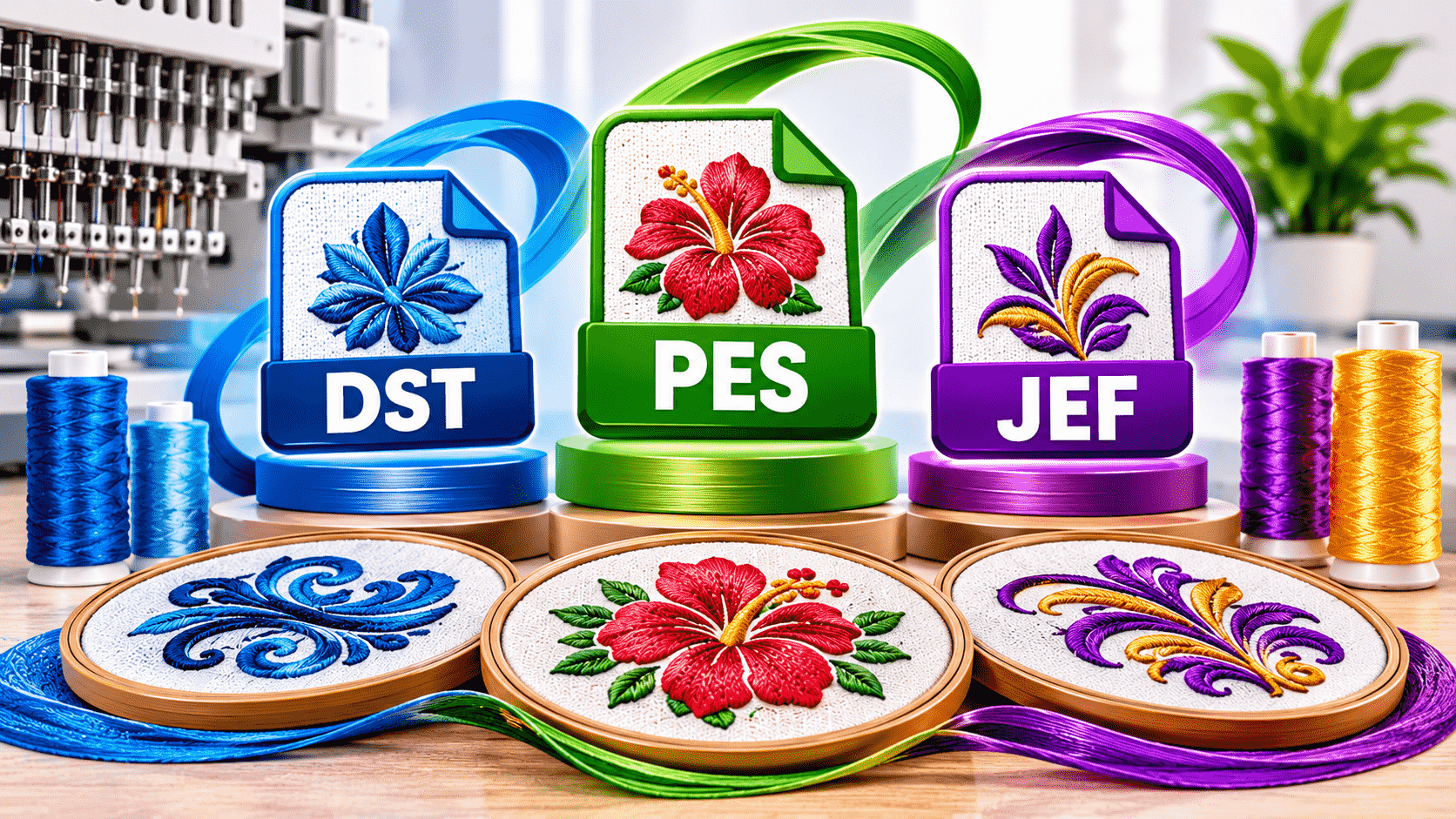
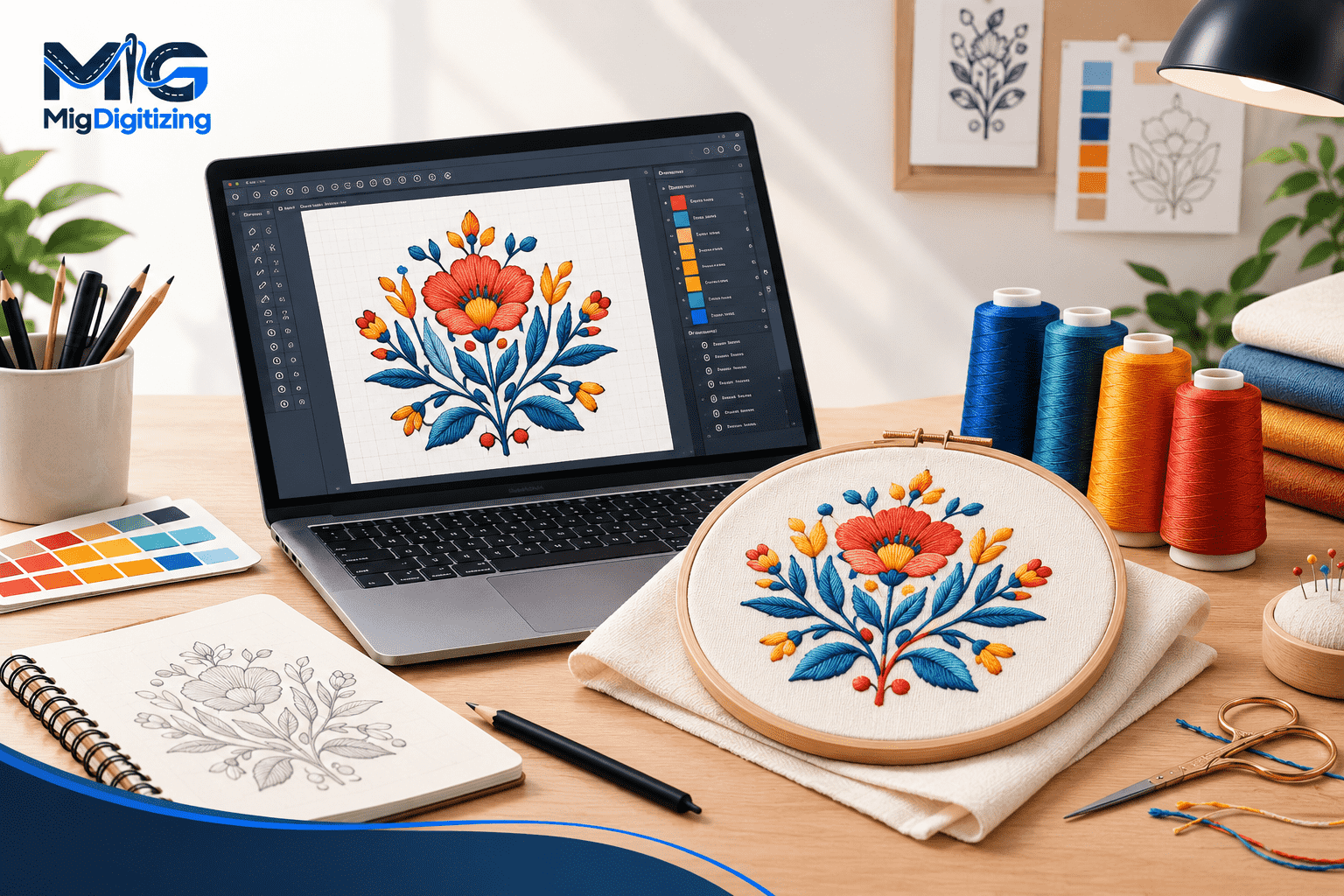
When an embroidered patch is created from a digital logo or artwork, the design must be converted into instructions that an embroidery machine can understand.
This process is called embroidery digitizing.
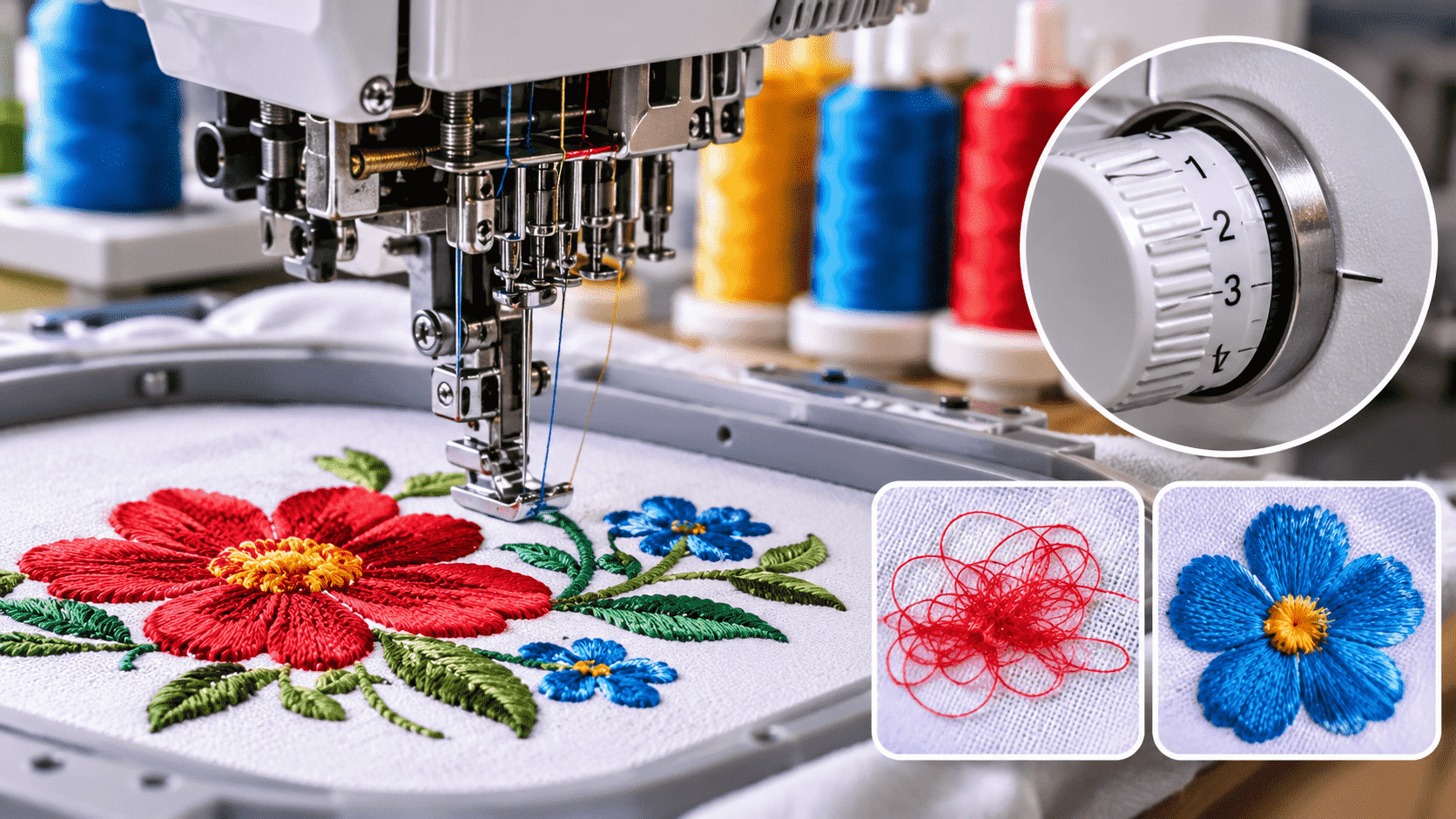
A digitized design determines how the embroidery machine will stitch the artwork. It includes details such as stitch types, stitch direction, density, underlay, and sequencing.
Good digitizing helps ensure that the finished embroidery represents the original artwork as clearly as possible.
For custom embroidered patches, important digitizing considerations include:
Appropriate stitch types for different design areas
Suitable stitch density for the fabric and thread
Clean outlines and borders
Readable lettering
Proper underlay and stitch direction
Reduced unnecessary thread changes
A design that works at the intended patch size
A design that looks good on a computer screen may not produce the same result when stitched. That is why professional digitizing and proper design preparation matter.
At MIGDigitizing, we provide embroidery digitizing services to help businesses and individuals prepare artwork for machine embroidery. Whether you are working with a company logo, a clothing brand design, or a custom patch concept, a properly prepared stitch file can help support better embroidery results.
No. Iron-on patches are not suitable for every fabric. Some materials cannot tolerate the heat required for adhesive application. Always check the garment's care label and the patch manufacturer's instructions.
It depends on your needs. Iron-on patches offer convenient application on compatible fabrics, while sew-on patches provide a stitched attachment. For garments that experience frequent washing or heavy use, sewing may provide additional security.
Yes, some fabric backpacks can support iron-on patches. However, backpack materials vary, and many synthetic fabrics are heat-sensitive. Check compatibility before applying a patch.
Yes. Company logos can be converted into custom embroidered or printed patches. For embroidered patches, the artwork may need professional digitizing before production.
Their lifespan depends on the adhesive quality, fabric, application process, and care routine. Following the manufacturer's instructions and adding stitching when appropriate can help improve attachment.
Yes, but very small lettering can be difficult to reproduce clearly. The font, letter height, stitch type, and design size all affect readability. Simplifying the artwork may improve the final result.
Usually, yes, if the patch and garment are designed for washing. Follow the care instructions provided by the patch manufacturer. Gentle washing and avoiding excessive heat may help protect the attachment.
An embroidered patch describes how the design is created using thread and stitching. An iron-on patch describes how the patch attaches to a garment using heat-activated adhesive. An embroidered patch can have an iron-on backing.
A custom iron on patch is a practical way to personalize clothing, decorate accessories, and display a brand identity. From denim jackets and hoodies to backpacks and tote bags, patches offer plenty of opportunities for creative customization.
The best results come from choosing the right design, selecting a suitable backing, checking fabric compatibility, and following the correct application instructions.
For embroidered designs, professional digitizing is another important step. Proper stitch planning helps turn digital artwork into embroidery that looks clean, balanced, and suitable for the intended patch size.
Whether you are creating a single personalized patch or preparing branded apparel for a business, careful planning can help you achieve a better finished product.
Nov 19 , 2026 at 04:05:44
Nov 16 , 2026 at 06:47:49
Oct 30 , 2026 at 09:32:40